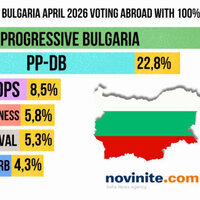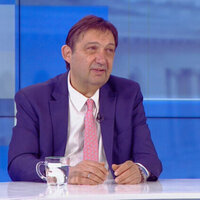


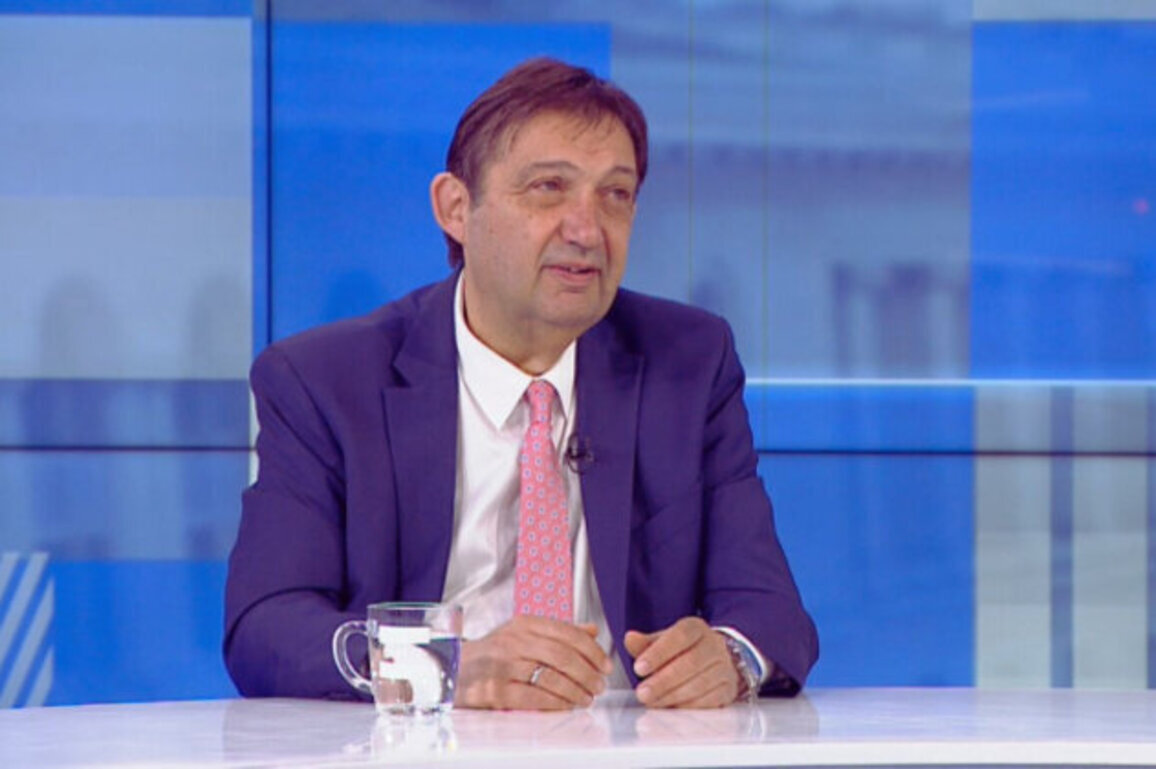
?The first major victory is the higher voter turnout.? With these words, Ivan Shishkov from ?Progressive Bulgaria? commented on the preliminary results after election day, speaking on BNT. According to him, the stronger participation at the ballot box is the clearest sign that Bulgarian society is demanding real political change.
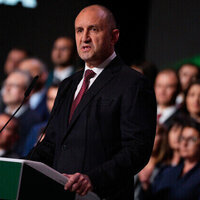
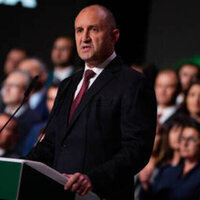
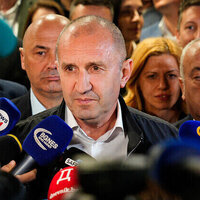
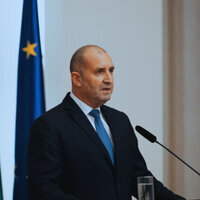
Shishkov said the vote had confirmed what he had stated before the elections: that President Rumen Radev represents that change. ?Society expects real change. I have said before that President Radev is the change, and this was confirmed yesterday,? he said, pointing to the election outcome as proof of growing public support for a different political direction.
Commenting on the inaccurate forecasts by sociological agencies before election day, Shishkov argued that pollsters failed to capture what he described as a 'secret vote? - people who were unwilling to openly state their preferences in advance. According to him, many voters had remained silent out of fear or caution, particularly in areas where political and economic pressure had been strong.
?I am sure the results were not decided in the last few days,? he said. ?The sociologists were wrong because there was a so-called secret vote - people who did not dare to say who they would support.? He added that one of the most important developments is that fear is beginning to disappear. ?We can congratulate ourselves that there is no longer fear in society of the outgoing rulers and of the feudal models in some settlements.?
Shishkov also focused on the expectations surrounding judicial reform, anti-corruption efforts and the relationship between politics and business. In his view, the current political shift creates a real opportunity to dismantle the old model of influence and dependency that has shaped much of Bulgaria's institutional life.
?The oligarchy will most likely remain in the past,? he stated. ?You cannot use public resources and at the same time be a major businessman.? He argued that such practices have long existed in Bulgaria and expressed hope that changes in the Supreme Judicial Council would expose these links more clearly to the public.
He said Progressive Bulgaria expects investigations into corruption schemes and believes there has been systematic pressure not only on businesses but also on ordinary citizens. According to him, many entrepreneurs supported the party because they finally felt able to vote freely, without fear of consequences for their companies or livelihoods.
?There was pressure on business. There was pressure on citizens as well,? Shishkov said. ?A large part of our voters are businessmen who have been waiting for this moment so they could vote this way - without fear for their business and without feeling dependent on anyone.?
Looking ahead, he outlined the party's priorities as support for small and medium-sized businesses, stronger regional development and greater equality between different parts of the country. ?People should live freely and peacefully. No one should be the master of their future,? he said, describing this as the central political goal.
On the question of cooperation with local authorities, Shishkov stressed that any future partnerships would be based on strategy rather than political symbolism. ?There will be no photos under the coat of arms,? he said. ?There will be a real strategy, not just handing out money.?
He also pointed to the upcoming local elections in a year and a half as the next major test, saying that the political model established over the years could be finallychallenged then. At the same time, he acknowledged that public trust remains conditional.
?If we do not justify that trust, people will punish us,? he said.
According to Shishkov, the election results also open the possibility of building a parliamentary majority together with other parties that support reform in the judiciary. He said Progressive Bulgaria sees a real chance to push for a functioning Supreme Judicial Council and for a prosecutor general capable of carrying out the job independently and effectively.
?We will have the opportunity for a majority with other political forces that want reform in the judicial system - a normal Supreme Judicial Council and a prosecutor general who can do his job,? he concluded.