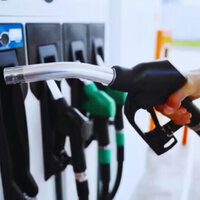


Greece is facing renewed inflationary pressure, with the national statistics authority ELSTAT reporting a rate of 3.9%, driven primarily by rising costs in food, fuel and housing. Energy prices are identified as a key factor in the increase, with diesel up by 23%, gasoline rising by 9%, and electricity continuing its upward trend.
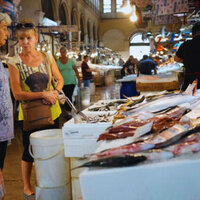
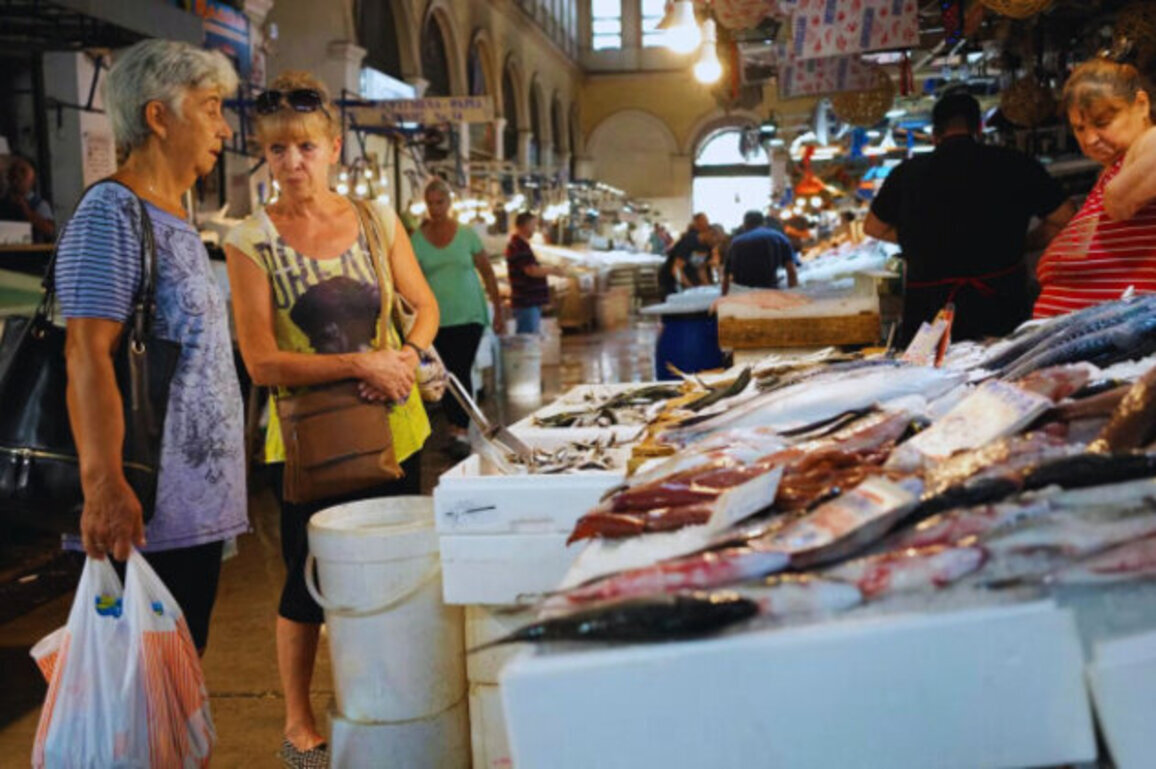
According to the data, household budgets are increasingly strained, with many Greeks reporting difficulty covering basic food needs. Rising prices for bread, meat, fish, dairy products and vegetables are forcing households to cut back on daily consumption. The pressure is particularly visible in essential spending categories.
Housing costs remain a major burden, with estimates indicating that, on average, around two-thirds of monthly income is now needed to cover rent. This level of expenditure leaves limited room for other living costs and adds to overall financial stress for households.
Despite a recent increase in the minimum wage, income levels in Greece remain significantly below the European average. Political opposition figures argue that the government lacks an effective strategy to address the ongoing cost-of-living crisis and have called for early elections as a response.
At the same time, the tourism sector is warning of a labor shortage of at least 90,000 workers for the upcoming season. Industry representatives and unions are urging improvements in wages and working conditions to ensure sufficient staffing and maintain service quality during the peak period.