


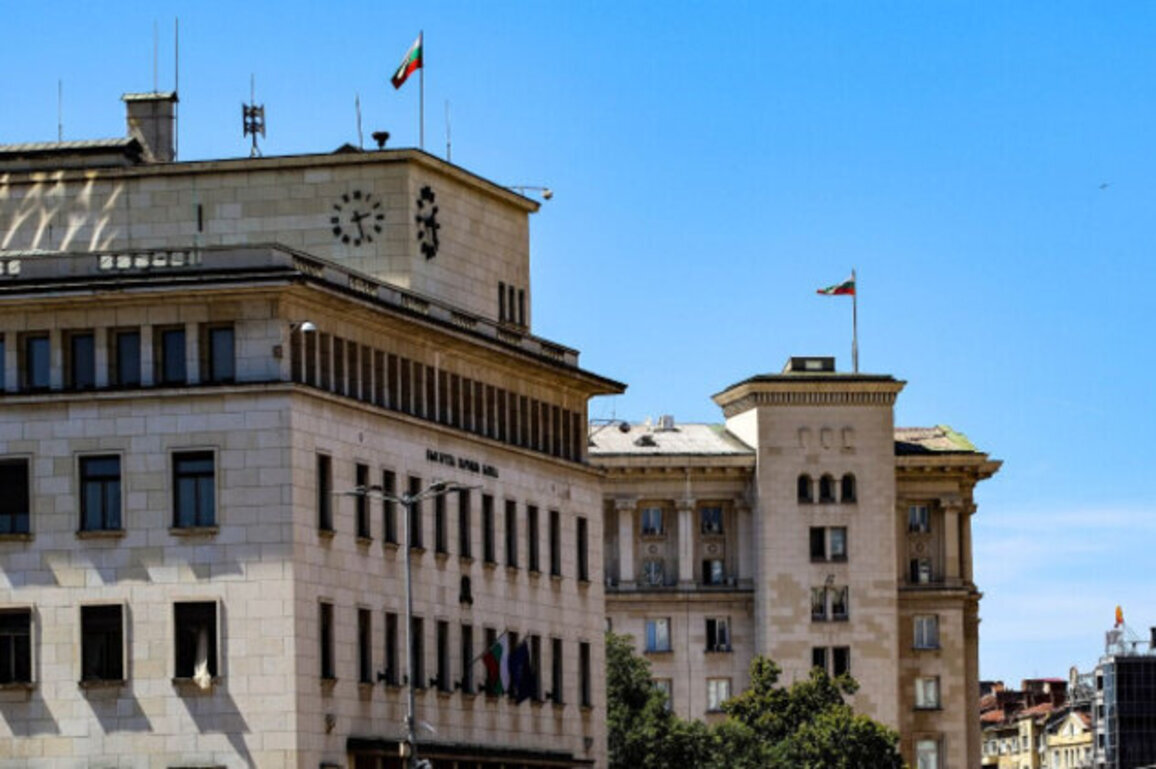
The Bulgarian National Bank (BNB) projects that annual inflation in the country will accelerate to 4% by the end of 2026, while economic growth is expected to gradually weaken in the coming years. The forecast is part of the bank's ?Economic Review,? based on data available up to March 19, 2026.
According to the baseline scenario, real GDP growth, which reached 3.2% in 2025, is expected to ease to 3.0% in 2026 and further slow to 2.8% by 2028. The BNB notes that private consumption remained the main driver of growth in 2025, while net exports weighed negatively on economic performance, largely due to one-off and country-specific factors.
Labor market conditions are described as tight, with employment in 2025 rising at its fastest pace since 2008 and unemployment falling to 3.5%. Persistent labor shortages continue to push wages higher, increasing compensation per employee and adding further pressure on prices.
Inflation trends show a temporary slowdown earlier in 2026. The Harmonized Index of Consumer Prices (HICP) stood at 2.1% in February 2026, down from 3.5% in December 2025. The BNB attributes this decline mainly to base effects from earlier price increases and a temporary fall in transport fuel prices. However, the bank warns that the escalation of the conflict in the Middle East has driven up crude oil prices, which is expected to feed through into higher fuel and transport costs in the coming months.
Under the baseline forecast, average annual inflation is projected at 3.7% in 2026, easing to 3.2% in both 2027 and 2028, before reaching 4.0% on an annual basis by the end of 2026. Real economic growth is expected to follow a gradual downward path over the same period.
The outlook is also shaped by heightened uncertainty linked to geopolitical tensions. The BNB presents additional downside scenarios to illustrate potential risks from energy supply shocks. In the moderate adverse scenario, inflation is projected to be higher than the baseline by 0.7 percentage points in 2026, 1.4 points in 2027 and 0.6 points in 2028. In a more severe case, inflation could exceed the baseline by 1.2 percentage points in 2026, 3.4 points in 2027 and 2.3 points in 2028, reflecting stronger secondary and spillover effects across the economy.