

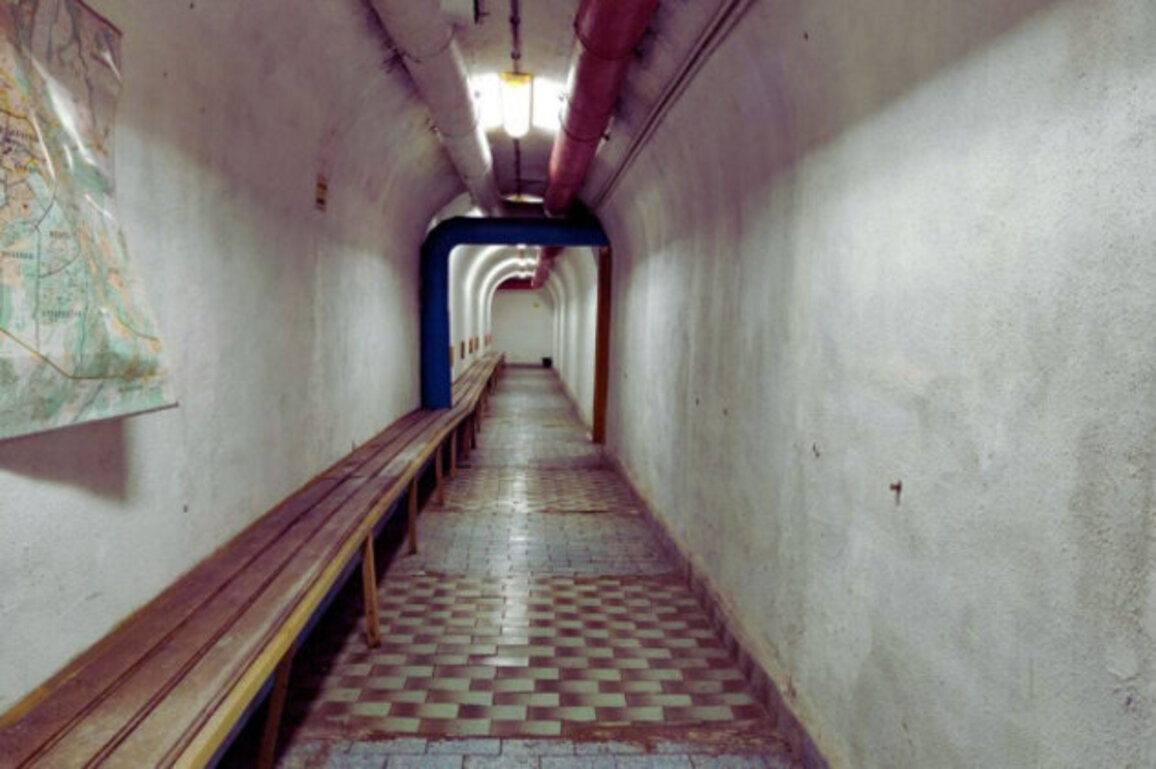
Amid growing concern in Europe over civil protection infrastructure due to the conflict in the Middle East, attention has turned to the condition of bomb shelters in Bulgaria. A recent initiative by the University Rescue Squad, part of the Bulgarian Youth Red Cross, brought the issue into focus after it released a showing the locations of civil defense and fallout shelters across the country. The project aims to inform citizens about where such facilities exist and how they could be used in an emergency.
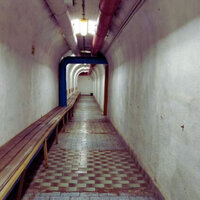
Data from the fire service indicate that Bulgaria currently has 247 designated shelters, yet only 18 are fully operational and ready for immediate use. The remaining sites are not abandoned but would require up to a week to be prepared for their intended function. Each facility is assigned a responsible individual tasked with maintenance, while official documentation is kept for every site. Authorities are expected to carry out inspections twice a year to monitor their condition.
In Sofia, where 92 shelters are registered, municipal authorities report that 10 have undergone renovation over the past two years. Work is set to begin on six more, while plans are in place to restore the rest within a four-year timeframe. Many of these structures are located within public buildings such as schools and kindergartens, reflecting their integration into existing infrastructure.
The map's creator, URS volunteer Radinel Pargov, pointed out that not all shelters are included in official records. ?Some shelters are known to the public but are not included on the official list,? he explained, noting that this applies to privately owned facilities not managed by the fire service. He added that although such shelters fall under private ownership, they can typically be used by people in the surrounding area.
At the same time, gaps remain in coverage. Entire settlements, as well as certain districts in the capital, lack access to designated shelters. Pargov highlighted that Sofia's metro system represents the largest available refuge, with the capacity to accommodate more than 900,000 people. Other large underground spaces, including the National Palace of Culture, as well as parking structures and tunnels, could also serve as alternative shelter options in the event of an emergency.
Source:BTA