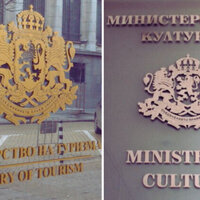


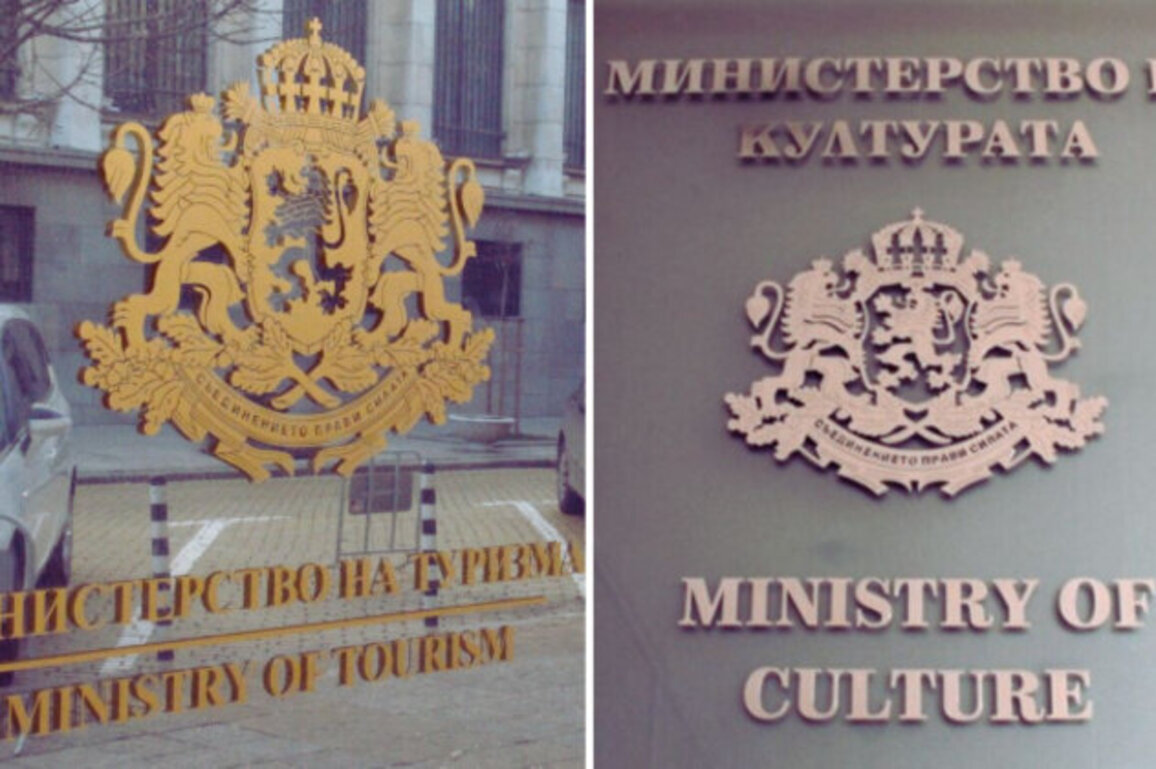
Rumen Radev,s party, ?Progressive Bulgaria?, is considering a significant restructuring of the Council of Ministers and the wider state administration, with one of the main proposals being the merger of the ministries of culture and tourism into a single institution.
According to information reported by TravelNews and cited by representatives of Rumen Radev's political formation as well as figures from the tourism sector, the idea is to create a unified Ministry of Culture and Tourism. A similar model briefly existed around 20 years ago during the final months of Simeon Saxe-Coburg-Gotha's government, when the department was headed by Nina Chilova.
The planned reform would also remove concession-related responsibilities from both ministries, including beach concessions. These would be transferred to a completely new directorate within the Council of Ministers, which would centralize the management of all state concessions.
According to the proposal, this would leave the tourism ministry without its current revenue-generating role, turning it into a structure focused mainly on administrative and policy functions rather than income collection.
Activities such as hotel and restaurant categorization, the registration of tour operators and travel agencies, as well as the promotion and marketing of Bulgaria as a destination, would be moved directly into the future Ministry of Culture and Tourism as separate directorates.
The tourism branch within the new ministry is expected to be supported by two deputy ministers. The combined department would manage a budget of more than 220 million euros, with around 15 million euros coming from the current Ministry of Tourism.
While supporters of the reform describe both the merger and the transfer of concessions as logical steps, the tourism industry has reacted negatively. Business organizations warn that tourism could remain ?in the shadow? of culture, making it harder to manage mass tourism, attract investors, and maintain enough flexibility for the sector.
At the same time, Progressive Bulgaria argues that the unification would strengthen the focus on cultural tourism, allow for joint promotion of a stronger national brand, improve coordination around heritage sites, museums, festivals and tourism products, and provide more centralized management of Bulgaria's international image.