

Security was stepped up, with increased police patrols, checkpoints and roadblocks around Tivat's luxury waterfront hotels, where the two-day summit is taking place.
Heads of state were hosted byMontenegro's President Jakov Milatovi for an informal dinner on Thursday to mark the 20th anniversary of the country's independence.
Friday's talks are focused on EU enlargement under the summit theme "Shared prosperity and stability of the EU and the Western Balkans".
The six countries involved are Montenegro, Bosnia and Herzegovina, Albania, North Macedonia, Kosovo and Serbia.
EU tightens migration rules, eyes strategic enlargement in Balkans
Enlargement plans
President of the European CouncilAntonio Costamet regional leaders between 1 and 4 June ahead of the summit.
"My visit to the region sends a clear signal: our commitment to the Western Balkans is real, and so is the opportunity of enlargement. The momentum is there. Now is the time to deliver," Costa told reporters on Thursday.
Taking place just six months after the previous summit, the meeting will assess progress on economic and social reforms, security and defence, and efforts to counter cyber threats.
Discussions on EU enlargement in the region of almost 18 million people have continued for two decades, with Brussels' commitment varying during that period.
Russia's 2022 invasion of Ukrainesparked renewed efforts in EU circles to counter Russian influence in the region.
The bloc launched a growth plan for the Western Balkans in November 2023, involving a six-billion-euro initiative to counter theeconomic influence of Chinaand Russia.
The six countries have had very different experiences on the path towards EU membership. Kosovo is still not recognised by five EU member states and remains the furthest from joining, while Albania and Montenegro are widely seen as frontrunners.
European Commission President Ursula von der Leyen is expected to announce a new enlargement acceleration package in Tivat, including additional pre-accession funding and a streamlined assessment process.
The EU has said Montenegro must make further progress on judicial reform and tackling corruption before joining the bloc.
Serbia is also seeking EU membership but has faced criticism from the EU's enlargement chief over democratic reforms and its close ties with Moscow.
Western Balkans' integration into EU in focus at Albania summit
Security tensions
For more than a year, Serbia's government has faced protests, with growing reports of violent incidents involving government supporters and demonstrators.
President Aleksandar Vui's attendance at Friday's meeting was nearly disrupted after Serbia's security agency issued a warning.
In a rare public statement on Wednesday, the agency advised Vui not to travel, citing "hostile activities of foreign intelligence services and criminal clans in Montenegro".
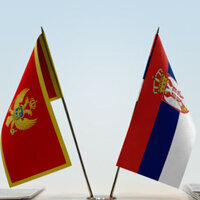
Tensions between Serbia and Montenegro have been building for months. They escalated on Wednesday when Montenegrin police turned back a plane carrying Serbs believed to support Vui, citing "internal and national security" concerns.
Following the incident, several reports said Montenegrin citizens were delayed during security checks or refused entry into Serbia.
Montenegro's foreign ministry rejected accusations that it had failed to follow security procedures.
"We have full confidence in the Montenegrin authorities," Costa said on Thursday at a joint press conference with Vui in Belgrade.
(with newswires)
Originally published on RFI