

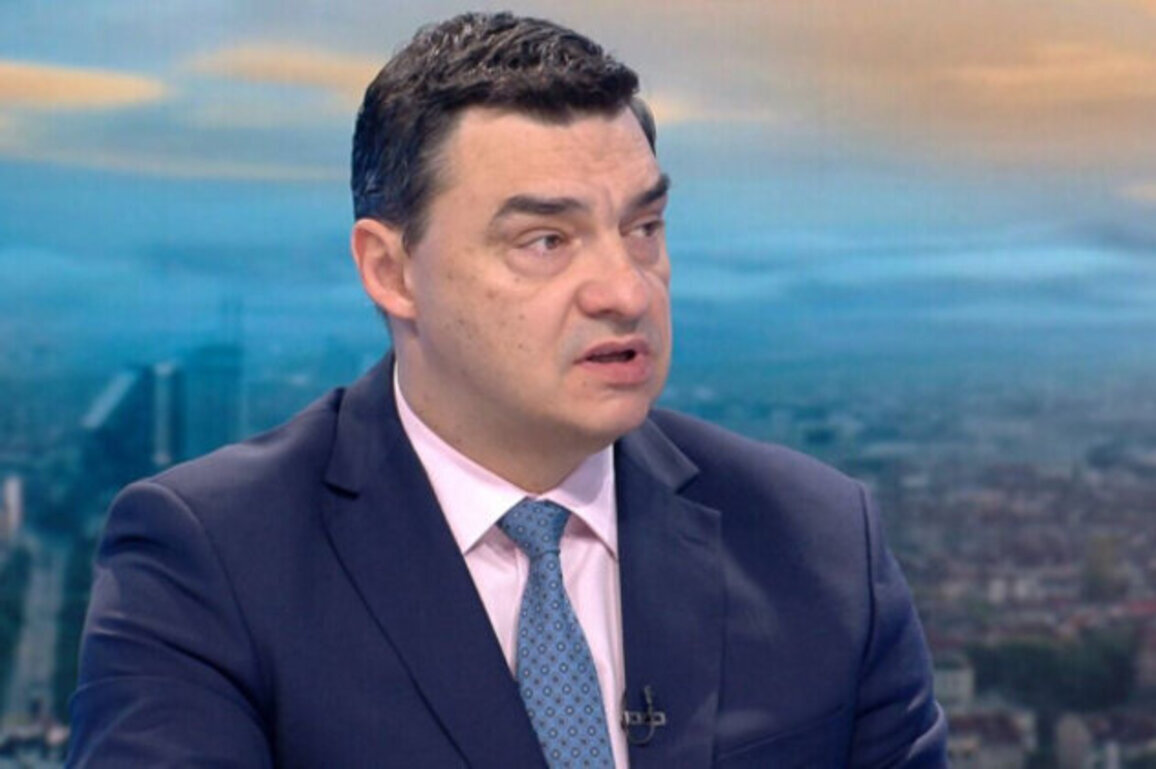
Bulgarian MP from ?Progressive Bulgaria? Vladimir Nikolov said in a TV interview that major retail chains have indicated readiness to reduce prices by around 15% following discussions with authorities and stakeholders. He stated that the sector has already presented a framework for implementing lower prices across key goods.
?The chains have already come up with a plan on how to reduce prices by an average of about 15%. Very soon there will be real measures and a real result that will be felt by all of us,? Nikolov said.
He linked the expected changes to the upcoming ?Basket with Care? initiative, which, according to Agriculture Minister Plamen Abrovski, is set to be presented in the coming days and will involve participation from retail chains.
Nikolov also argued that the concept of a ?fair price? should be based on standard commercial markups, saying it is abnormal for products with low farm-gate costs to be sold at significantly higher retail prices. He pointed to milk and butter as examples, claiming that price differences across markets highlight excessive margins within the supply chain.
?The fair price is calculated on the basis of normal trade markups. It is not normal for a liter of milk to be bought for between 40 and 45 cents, but to be sold for 2 euros,? he said, adding that consumers should be able to see where markups are applied and make informed purchasing decisions.
He also gave another comparison involving dairy products in different EU markets, arguing that identical goods can cost significantly more in Bulgaria than elsewhere in Europe.
Turning to the case of illegal construction near Varna, Nikolov said the issue reflects long-standing institutional failures. He argued that responsibility should be examined across multiple agencies and local authorities, noting that warnings had been issued as early as 2024 without adequate response.
According to him, the situation is complex and requires a legal rather than purely demolition-based solution. He warned that removing the structures would not restore environmental damage and could create additional social and financial consequences, including potential compensation claims for buyers who acquired properties with notarized documents.
He stressed that accountability should be pursued against those responsible for the development of the illegal settlement, including financial liability and environmental compensation measures such as reforestation.
?It is most logical to find the culprit for this entire settlement, to hold him accountable, including financially, so that another territory can be afforested as compensation,? Nikolov said.
He also warned that rushed demolition would not resolve underlying issues and could lead to further legal complications for the state, particularly regarding ownership documentation and institutional involvement.
On public finances, Nikolov said Bulgaria's fiscal situation is more strained than official figures suggest, arguing that the real deficit is higher due to early revenue transfers from banks.
He estimated that around 500 million leva had been effectively accounted for in advance, describing this as a hidden pressure on next year's budget. While he did not expect Bulgaria to face sanctions under the EU excessive deficit procedure, he warned that fiscal adjustment would be necessary through spending cuts and improved revenue collection.
Nikolov also criticized the expansion of public administration despite population decline, saying staffing levels have increased by roughly 10% over the past decade while service quality has not improved proportionally. He argued that digitalization, citing Estonia as an example, could reduce costs and improve efficiency.
Finally, he addressed maternity policy, saying the core issue is not the level of benefits but the lack of childcare infrastructure. He argued that many women would prefer to return to work sooner if access to nurseries were more widely available, and said policy measures are needed to address both childcare shortages and workplace discrimination against mothers.
Source:bTV