

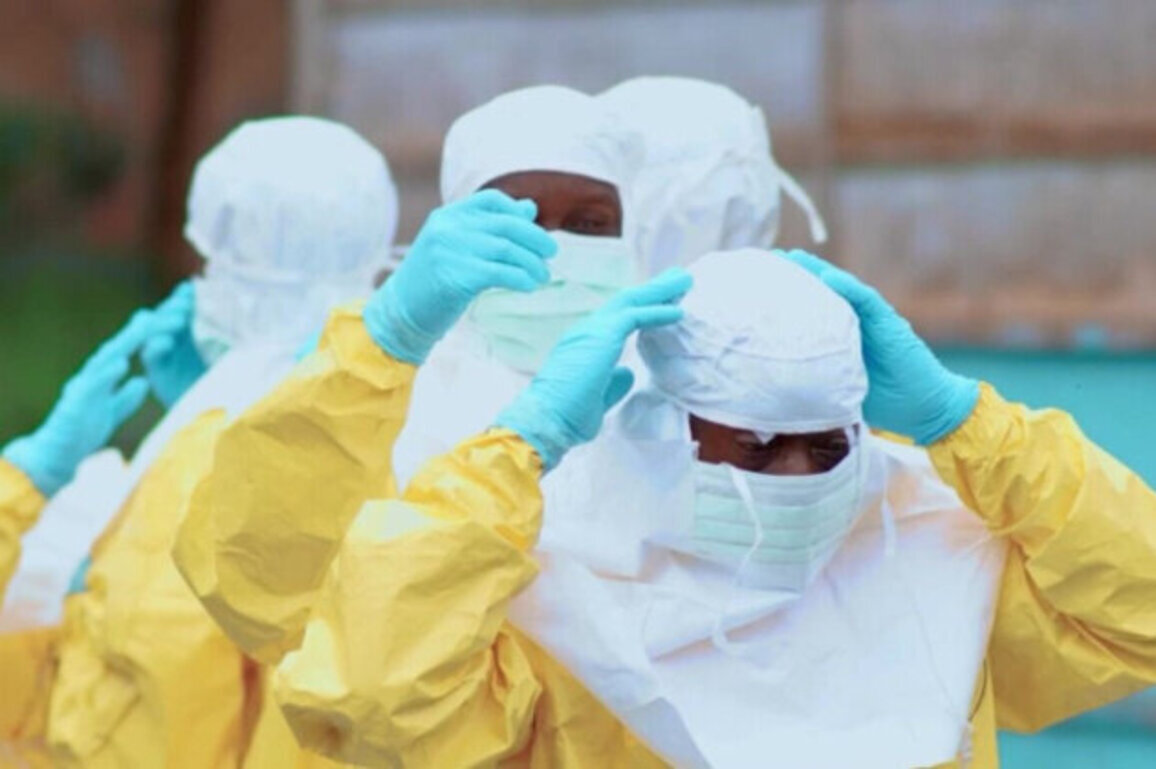
As several countries introduce stricter controls for travelers arriving from the Democratic Republic of Congo and Uganda, concerns are being raised about Bulgaria's lack of visible preventive measures. The World Health Organization declared a ?public health emergency of international concern? on May 17, following the spread of a new Ebola outbreak in Central and East Africa. Despite this, no clear institutional response has been announced domestically, and attempts to determine whether coordinated actions are being prepared have reportedly met with limited reaction from authorities, OFFNews reports.
The European Centre for Disease Prevention and Control currently assesses the risk for EU countries as low, which appears to underpin the relatively calm stance of Bulgarian institutions. However, observers warn that the experience of the COVID-19 pandemic underscores the need for faster and more proactive responses to emerging health threats.
Outbreak development and WHO response
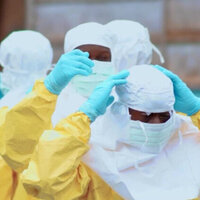
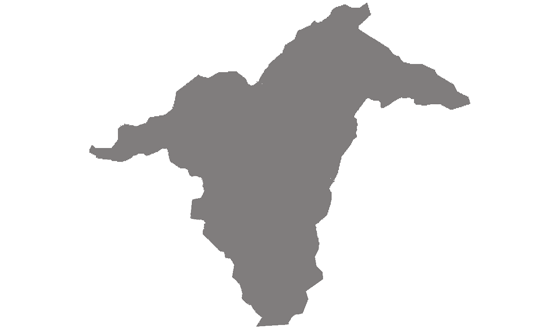
The outbreak is believed to have begun with a suspected infection on April 24, involving a healthcare worker who later died. On May 5, Congolese authorities notified the WHO of an ?unknown disease with high mortality? in the Mongbwalu area of Ituri province in eastern Democratic Republic of Congo.
By May 15, 2026, laboratory tests confirmed the presence of the Bundibugyo strain of the Ebola virus. On the same day, Uganda reported an imported case linked to Congo. Two days later, on May 17, the WHO formally declared a global health emergency.
Current data cited by health authorities indicate nearly 1,000 suspected infections, more than 240 suspected deaths, and over 120 confirmed cases.
WHO Director-General Tedros Adhanom Ghebreyesus stated that containment is becoming increasingly difficult, pointing to rapidly evolving conditions, limited access to affected areas, delays in laboratory confirmation, and the frequent classification of cases as preliminary or ?presumptive.?
The Africa Centres for Disease Control and Prevention has warned that countries with high cross-border movement with the affected region face elevated risk. These include Angola, Burundi, the Central African Republic, Republic of Congo, Ethiopia, Kenya, Rwanda, South Sudan, Tanzania, and Zambia. While suspected cases and contact tracing have been reported beyond Africa, including in parts of Europe, no outbreaks outside the region have been confirmed.
International measures
The WHO does not recommend blanket travel or trade bans, but advises enhanced border screening, rapid testing, contact tracing, preparation of isolation facilities, and international coordination of resources.
Several countries, including the United States, Canada, India, Thailand, South Korea, Jordan, Bahrain, and Mexico, have already introduced targeted controls for travelers from affected areas. Italy has also called for coordinated EU-level measures to strengthen border screening for arrivals from countries reporting Ebola cases.
Situation in Bulgaria
In Bulgaria, inquiries directed to relevant institutions reportedly produced limited information. Responses between ministries suggested unclear responsibility, with questions being redirected between the Ministry of Health and the Ministry of Foreign Affairs.
The Ministry of Foreign Affairs later referred to existing travel advisories, which currently classify risk for Congo and Uganda at level 3, advising against travel to certain areas unless absolutely necessary. South Sudan is listed at level 4, recommending suspension of travel except in essential cases.
The Ministry of Health stated that it is monitoring the situation in coordination with the WHO, the European Commission, and the ECDC, while noting that the European assessment continues to classify the risk for EU and EEA countries as very low. Officials indicated that further public guidance would be issued, including information on symptoms, transmission, and preventive measures.
Criticism has been raised over the absence of clearly defined border or sanitary procedures for arrivals from affected regions. At the same time, travel agencies continue to advertise tours to East African destinations, although some operators reportedly suspended such trips independently due to safety concerns.
Questions have also been raised about ongoing labor recruitment from African countries, including Uganda, with agencies still offering workforce placement services.
Reference to past health crises
The situation has drawn comparisons with the early stages of the COVID-19 pandemic, when initial official assessments underestimated the risk of spread despite international warnings. The article recalls that Bulgaria confirmed its first coronavirus cases in March 2020, shortly after assurances that the threat level remained low, before the outbreak escalated into a national emergency.
Subsequent outcomes included high mortality rates and significant excess deaths, which are cited as evidence of delayed response and institutional unpreparedness.
Current assessment
The emergence of the new Ebola strain comes at a time when public sensitivity to health risks remains high, while vaccine development is still expected to require several months. Health authorities emphasize that preventive capacity is limited in the short term, reinforcing calls for early detection, coordination, and readiness.
Despite international alerts and increasing global precautionary measures, concerns remain that Bulgaria's institutional response is not clearly defined, raising questions about preparedness for potential importation risks.
Source:OFFNews