

Greece is preparing new restrictions to tackle the effects of overtourism after the country recorded nearly 38 million visitors last year, according to data from the Greek central bank cited by DPA. The government says the measures are aimed at easing pressure on infrastructure, protecting natural landscapes, and creating a more sustainable tourism model in some of the country's busiest destinations.
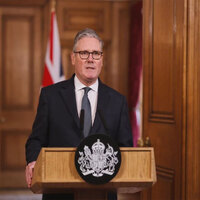
Tourism Minister Olga Kefalogianni said the plan focuses on limiting uncontrolled development in heavily visited regions and reducing the burden on local communities, beaches, and public services. Authorities intend to classify regions according to the intensity of tourist traffic, with the strictest measures targeting islands that experience the highest number of visitors during the summer season.
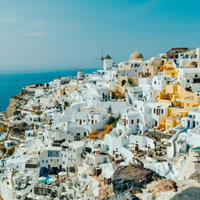
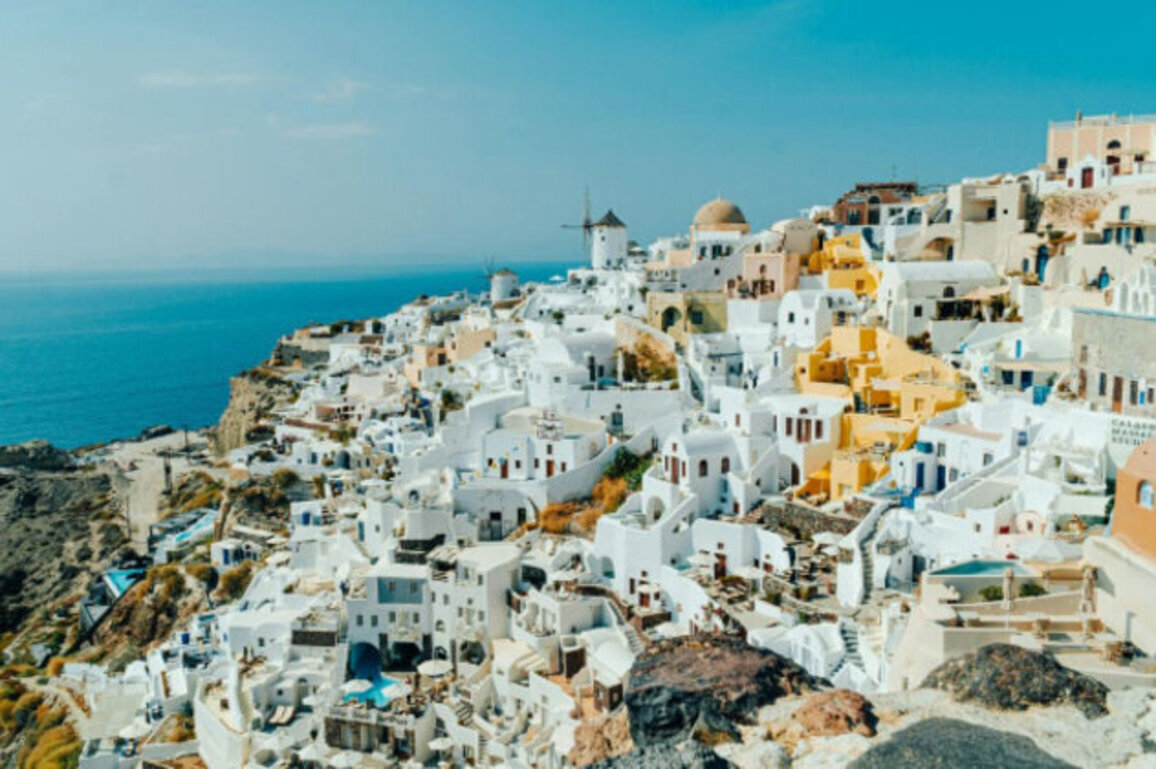
Among the destinations expected to face tighter controls are Rhodes, Kos, Santorini, and Mykonos, where overcrowding has become a growing concern. Residents in several of these areas have repeatedly complained about traffic congestion, water shortages, rising housing costs, and infrastructure struggling to cope with the volume of tourists.
Under the new rules, newly built hotels in the most affected areas will be limited to a maximum capacity of 100 beds. Construction requirements will also become significantly stricter. Hotels outside officially designated construction zones will only be allowed on large plots of land ranging from 8 to 16 hectares, depending on the specific region.
The Greek government says the objective is to stop what officials describe as chaotic development that threatens the country's coastal and island landscapes. Additional protections are also planned for shoreline areas. Construction will no longer be permitted within 25 meters of the sea, although exceptions may be granted for access roads and emergency evacuation routes.
The measures are expected to take effect by the end of June, once the relevant ministerial order is officially approved.
Officials in Athens argue that tourism remains one of Greece's most important economic sectors, but insist that future growth must be managed more carefully. The government believes stricter planning rules are necessary to prevent environmental degradation and ensure that popular destinations remain livable for local residents as visitor numbers continue to rise.