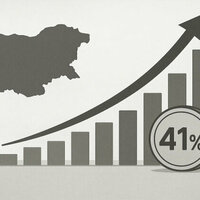



The social tension index for Bulgaria in the third quarter of 2025 reached 6.09, marking a slight increase of 0.9 points and positioning the country in the ?high, difficult to control risks? category. This figure reflects the influence of multiple social, economic, and political factors during the period from July 1 to September 30.
General Environment and Statehood
The quarter was marked more by social and everyday incidents than by political or economic developments. Notable events, such as the arrest of the mayor of Varna, drew public attention and generated unrest, particularly visible in media coverage and social networks. Nevertheless, crime and other incidents remain the primary drivers of social tension.
On the economic front, unemployment remains low without reaching critical labor shortages. Inflation is gradually rising but not at dangerous levels. Corruption rates remain among the lowest in the European Union, positively influencing the index. Reported crime rates per capita are limited, although underreporting may occur due to low trust in government and law enforcement agencies.
Well-being and Trust
Sociological data indicate enduring skepticism toward governmental and parliamentary institutions, with the presidency continuing to receive more favorable public sentiment. There have been no major shifts in public assessments. Opinions on personal finances are largely split between deterioration and stagnation, with few expecting improvement. Price growth expectations remain strong, reflecting a persistent concern among citizens.
Public Perception
In media coverage, negative content slightly outweighs positive stories, while social networks show a more pronounced predominance of critical posts. Dominant public topics include summer incidents, fires, water shortages, political disputes, minimum wage increases, and the upcoming introduction of the euro. Road safety remains a recurrent concern, acting both as a symptom and a contributor to rising tension.
Outlook
Looking ahead, analysts anticipate an increase in social tension during the fourth quarter, particularly in connection with political developments. Additional unrest is expected around the days leading up to and following the euro's introduction, potentially further elevating public unease.
About the Index
The social tension index ranges from 0 to 10:
0?3.99: low, fully manageable risks
4?5.99: medium, well-controlled risks
6?7.99: high, difficult-to-control risks
8?10: very high, nearly unmanageable
About the Organizations
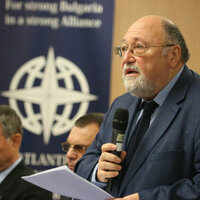
The Center for Analysis and Crisis Communications, founded in September 2018 by Assoc. Prof. Dr. Alexander Hristov, Lyubomir Alamanov, and Daniel Kiryakov, provides research, analysis, and recommendations for crisis communication. The Myara Agency, established earlier this year by an experienced sociological team, continues a long tradition in socio-political research, youth studies, public health, and urban analysis, offering surveys through face-to-face, telephone, online, and SMS channels.