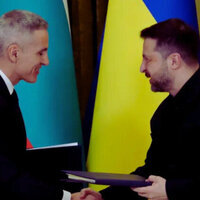


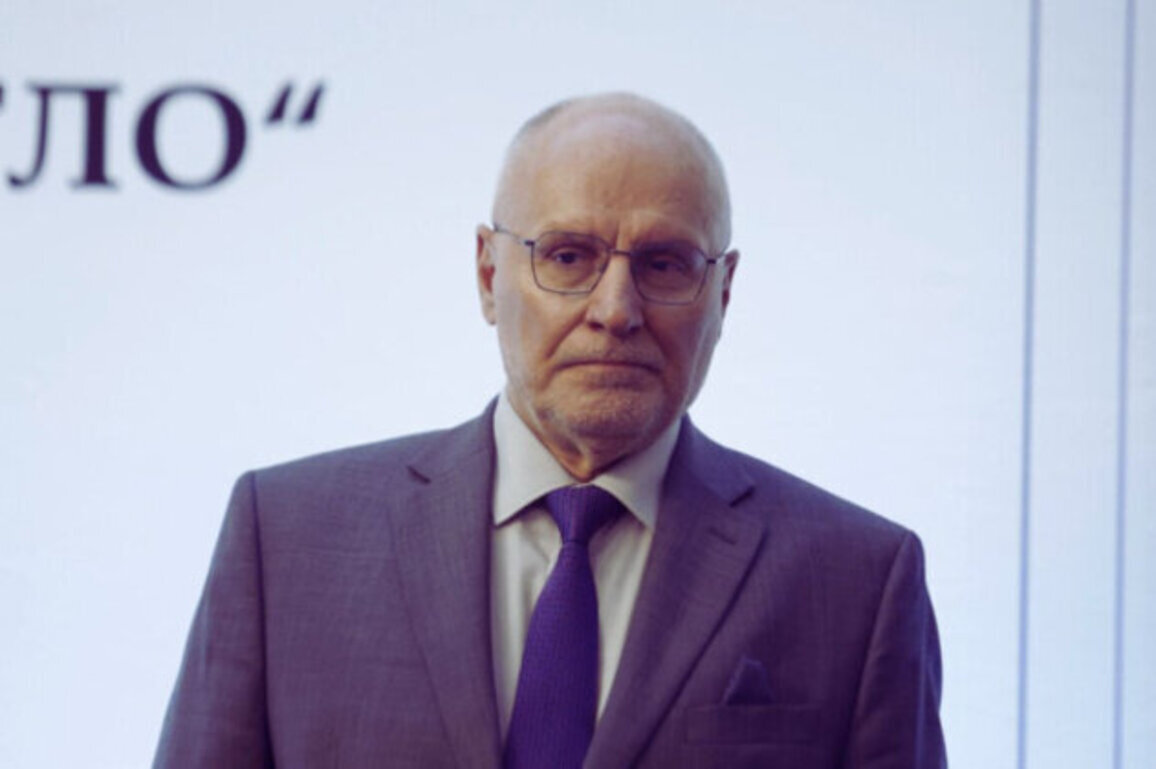
Bulgarian National Bank Governor Dimitar Radev has warned that inflation risks are increasingly driven by geopolitical developments, stressing that Bulgaria remains firmly anchored within the European institutional and political framework. He made the remarks during a meeting with heads of diplomatic missions in Sofia, organized by the Bulgarian Spirit Diplomatic Society.
Radev noted that uncertainty in the global environment is no longer abstract but is directly affecting inflation expectations, energy markets, financing conditions and overall economic confidence. He argued that geopolitics has effectively become part of the macroeconomic setting, especially when military conflicts intersect with energy supply chains, trade flows and logistics networks.
According to him, recent tensions in the Middle East and disruptions affecting transport corridors have demonstrated how quickly external shocks can influence European economic prospects, including those of Bulgaria and the euro area. He emphasized that this requires a reassessment of how economic policy is designed, with sustainability now understood in financial, institutional and geopolitical terms.
The governor structured his remarks around three main areas: the policy framework, the macroeconomic environment and economic policy priorities. He underlined that Bulgaria's strategic direction remains unchanged, with European integration serving as the core framework for its development. At the same time, he pointed out that risks are increasingly transmitted internally through multiple channels, including energy prices, logistics, investor sentiment and security perceptions.
Radev stressed that trust is a central factor in economic stability, particularly for small and open economies such as Bulgaria. He said that institutional consistency and long-standing macro-financial discipline have helped the country navigate periods of instability, and remain essential under current conditions.
He also pointed to ongoing political fragmentation and repeated elections in Bulgaria, which he said shorten policy horizons and complicate the implementation of medium-term reforms. While reaffirming that Bulgaria's strategic orientation is stable, he distinguished this from the challenges of day-to-day governance capacity.
Turning to the broader macroeconomic outlook, Radev said the global economy has shown more resilience than expected, but warned that this stability remains fragile. He highlighted that inflation dynamics in Europe are increasingly influenced by geopolitical and energy-related risks, with the European Central Bank monitoring potential spillovers from global conflicts.
He explained that energy prices remain the most immediate transmission channel, while longer-term effects depend on the duration and intensity of geopolitical tensions. Additional channels include supply chain fragmentation and declining confidence among economic actors.
For Bulgaria, he noted that while the country maintains positive growth, a stable labor market and a well-capitalized banking sector, it remains highly exposed to external shocks due to its openness and integration within the euro area. He also pointed out that previous inflation shocks continue to affect households and businesses.
Radev cited internal analyses suggesting that average inflation in Bulgaria could reach around 3.7% in 2026 under baseline conditions, with potential upward deviations depending on energy price developments. He said the risks to inflation are therefore asymmetric and closely tied to geopolitical uncertainty.
He further explained that euro area membership completes Bulgaria's nominal convergence process, but real convergence remains ongoing and depends on productivity, competitiveness and institutional quality. According to him, this stage is more demanding and structurally driven.
Outlining policy priorities, Radev identified three key principles: stability, trust and adaptation. He said fiscal discipline remains essential given Bulgaria's relatively low public debt, but warned that fiscal policy has become less conservative in recent years and will require renewed consolidation efforts.
He added that institutional credibility now depends primarily on consistent implementation rather than policy declarations. As part of the Eurosystem, the Bulgarian National Bank has moved into full participation in the formulation of monetary policy, which brings additional responsibility.
Finally, Radev highlighted the need for structural adaptation through investment in human capital, infrastructure, digitalization and innovation. He said energy sustainability has become a macroeconomic issue and that long-term convergence will depend on productivity and the quality of investment.
He concluded that the defining feature of the current global environment is the rapid transmission of uncertainty into economic outcomes. According to him, resilience depends on the strength of institutions and the consistency of policy, while instability often appears first as delay and hesitation rather than formal crisis.