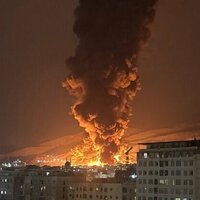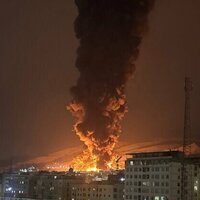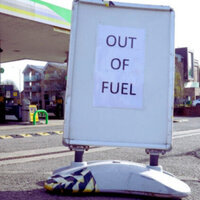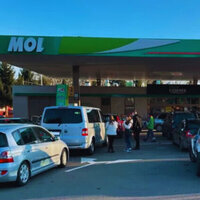


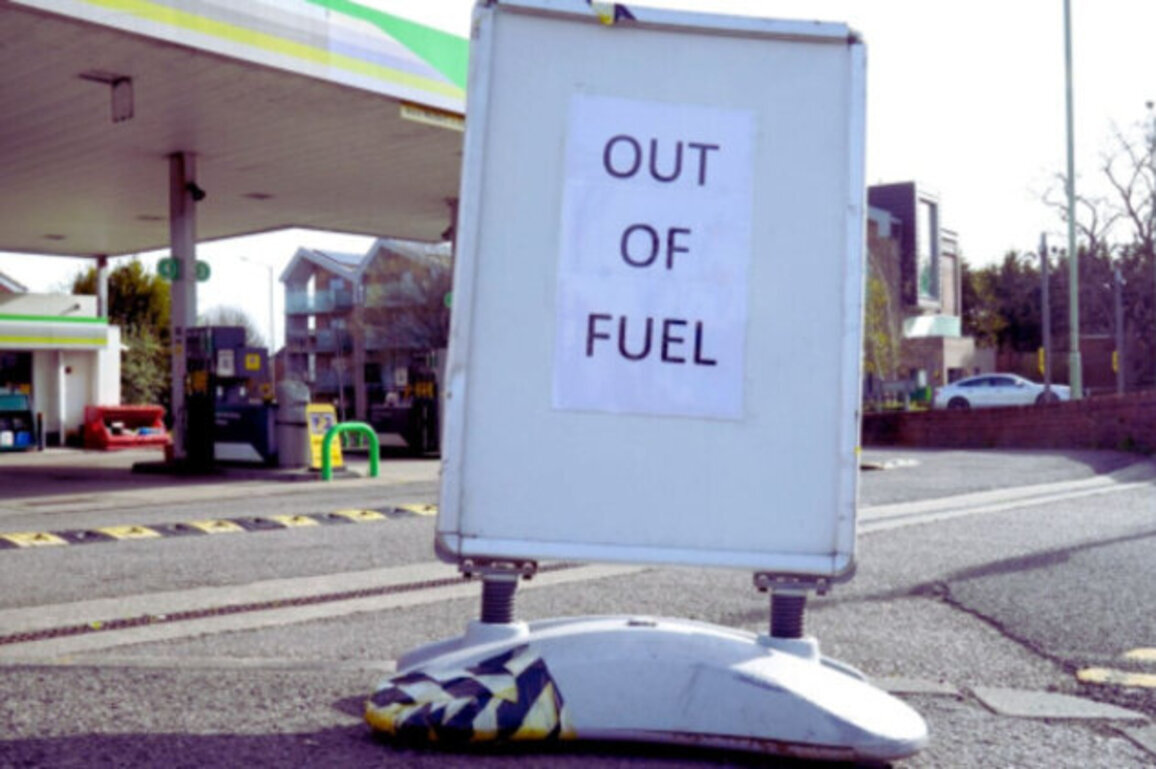
Bulgaria's state fuel reserves are sufficient to cover normal consumption for the next 90 days, but domestic fuel prices continue to climb amid the ongoing military conflict in the Middle East. The closure of critical maritime routes has triggered a rapid increase in costs, with average price hikes of 5 to 10 percent over the past ten days, particularly affecting diesel.
Currently, A-95 gasoline is trading at around 1.33 euros per litre, diesel is approaching 1.50 euros, and LPG remains at 63 euro cents. Kalin Yovchev, who owns three small gas stations, told Nova TV that wholesale prices are rising continuously. He noted that the trajectory of prices largely depends on developments in the Middle East and the responses of major powers, adding that if the Strait of Hormuz remains closed, fuel costs are likely to keep increasing.
Small fuel retailers are facing serious challenges as their financial and storage capacities limit them to maintaining stocks for no more than a week. According to Yovchev, diesel prices have surged nearly 20 percent in the last ten days, gasoline by more than 10 percent, and autogas by around 5 percent. While state authorities have reassured the public that there will be no physical shortages, the market reacted sharply to the logistical disruptions.
The effects of the conflict extend beyond fuel, also impacting Bulgarian agriculture. The blockade of transport routes from Egypt has driven nitrogen fertilizer prices sharply higher, with urea now exceeding 650 euros per ton, returning to levels seen at the start of the war in Ukraine. Yovchev, who is also an agricultural producer, warned that this trend will raise production costs for crops, which in turn will push up the retail prices of fruits and vegetables.