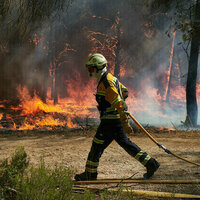


Wildfiresfollowing heatwaves and temperature spikes across the Mediterranean killed at least three people in Spain, Turkey and Albania, authorities reported Wednesday. The fires have displaced thousands in Greece and Albania as governments in several south European countries issued weather alerts for the next few days.
Wildfires intensified across southernEuropeon Wednesday after a nightlong battle to protect the perimeter of Greeces third-largest city, with at least three more deaths reported in Spain, Turkey and Albania.
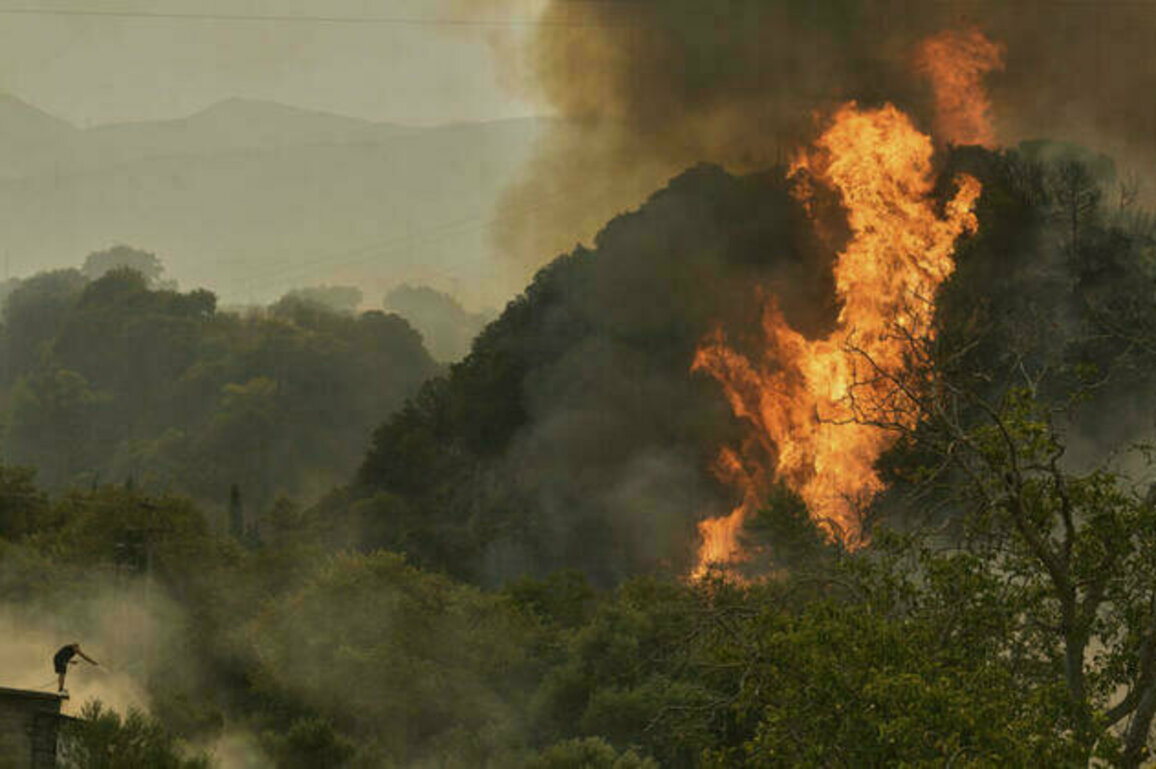
Outside the Greek port city of Patras,firefightersstruggled to protect homes and agricultural facilities as flames tore through pineforestsand olive groves. Tall columns of flames exploded behind apartment blocks on the outskirts of the city, while dozens of vehicles were torched as flames swept through a nearby impound lot.
Today is another very difficult day with the level of fire risk remaining very high across many parts of the country, Fire Service spokesman Vassilis Vathrakoyiannis said.
As water-dropping planes and helicopters swooped overhead, residents joined the effort, beating back flames with cut branches or dousing them with buckets of water.
Firefighting resources were stretched thin in many affected countries as they battled multiple outbreaks following weeks of heat waves and temperature spikes across the Mediterranean. On the Greek island of Chios, exhaustedfirefightersslept on the roadside following a night-long shift.
Aircraft rotated between blazes on the western Greek mainland, the Patras area and the island of Zakynthos. Athens also sent assistance to neighboring Albania, joining an international effort to combat dozens ofwildfires. An 80-year-old man died in one blaze south of the capital, Tirana, officials said Wednesday.
Residents of four villages were evacuated in central Albania near a former army ammunition depot. In the southern Korca district, near the Greek border, explosions were reported from buried World War II-era artillery shells. Authorities said dozens of homes were gutted in a central region of the country.
Read moreFive key things to know about Europe's worsening heatwaves
Spanish Prime MinisterPedro Sanchezexpressed condolences after the death of a firefighting volunteer in the hard-hit Castile and Len region north of Madrid, where thousands have been displaced by evacuations.
The wildfire situation remains serious, and taking extra precautions is essential, Snchez wrote in an online post. Thank you, once again, to all those working tirelessly to fight the flames.
Evacuation centers were filled to capacity in parts of central Spain, with some spending the night outdoors on folding beds. The most severe fires pushed northward into more rural areas, where some residents hosed the walls of their homes to try and protect them from fire.
The government raised its national emergency response level, preparing additional support for regional authorities overseeing multiple evacuations and highway closures.
A forestry worker was killed Wednesday while responding to a wildfire in southern Turkey, officials said. The Forestry Ministry said the worker died in an accident involving a fire truck that left four others injured.
Turkey has been battling severe wildfires since late June. A total of 18 people have been killed, including 10 rescue volunteers and forestry workers who died in July.
In France, which is recovering from massive recent fires in the southern regions, temperatures of up to 42 degrees Celsius (108 Fahrenheit) were expected for the third consecutive day. Officials issued weather alerts giving local authorities discretion to cancel public events and cordon off areas with high fire risks.
Read moreParisians, tourists take the plunge as Seine reopens amid summer heat
Authorities across European countries have cited multiple causes for the massive fires, including careless farming practices, improperly maintained power cables and summer lightning storms.
Law enforcement officials in North Macedonia also cited indications of arson, motivated by rogue developers. Firefighters struggled to contain a blaze at a nature reserve outside the capital, Skopje on Wednesday.
The European Union has rushed aid to fire-hit countries, including non-member states, with ground crews and water-dropping aircraft. Much of the recent effort was concentrated on Montenegro, where major wildfires continued to burn in rugged areas near the capital, Podgorica.
Natural disasters know no borders," Ljuban Tmusic, head of Montenegro's civil protection agency said. In Montenegro the resources we have ... are clearly not enough.
(FRANCE 24 with AP)
Originally published on France24