

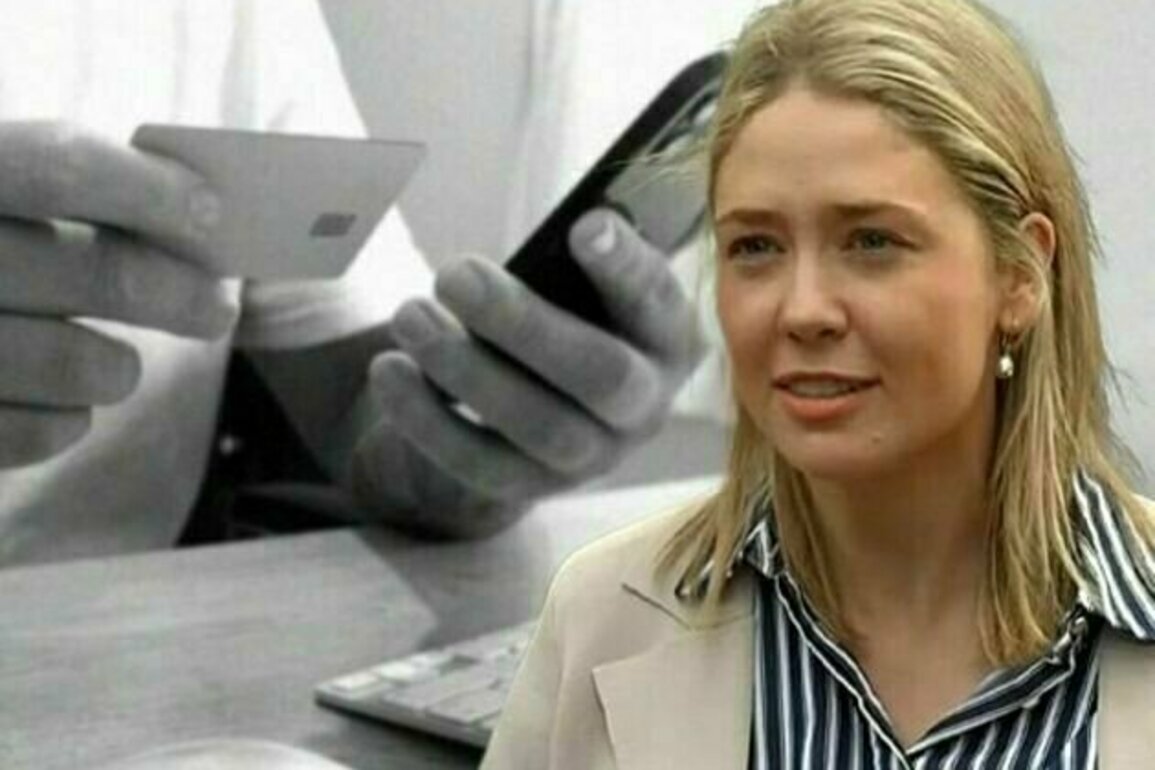
Fintech executiveAmelia Hamer, the blueblood Liberal Party's hope to retake its former blue ribbon stronghold,Kooyong, may have obscured a serious potential financialconflict of interest in her campaign, which includes strong links to China.
I am a voting resident of the Federal electorate of Kooyong in Melbourne's eastern suburbs. Traditionally a blue-ribbon Liberal seat, it gained special notoriety at the last election by dumping out the sitting Liberal Member and then TreasurerJosh Frydenbergin favour ofDr Monique Ryana so-called Teal Independent.
The Liberal candidate opposing Dr Ryan this election is Amelia Hamer, and both candidates have gained national attention over various incidents in what has been described by some asa bitter campaign.
Through investigating MsHamer and her life before the 2025 Election campaign, I have discovered important information that voters have the right to know about before they vote tomorrow.
If elected, I believe Hamer intends to lobby furiously for the deregulation of digital payment systems that embed themselves in online commerce. I believe that the conflict of interest in this regard and the broader implications for global finance are of great public interest.
It is well-known that 30-year-old Oxford-educated Amelia Hamer, a former global investment banker, more recently worked as director of strategy atAirwallex. This start-up techunicornprovides financial services and, crucially, high-speed transfers of funds between countries via licences to issue money in various jurisdictions.
Airwallex itself isn't particularly interesting; the company offers little genuine innovation and appears to have succeeded due to the networks and resources of its founders and key players, such as Hamer herself.It has pursuedablitzscalemodel, focusing on market dominance before delivering value to investors.
More importantly, Airwallex reflects Hamer's deeper interest in digital payment systems and their ability to extract enormous amounts of wealth through inserting themselves at as many points-of-sale as possible, throughout the world economy. Her intentions here are fundamentally rent-seeking: she aims to benefit from widespread adoption of new digital payment systems that offer the global capitalist class a new opportunity to extract value out of nothing.
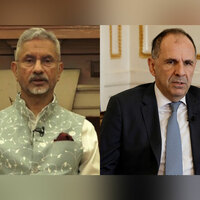
For some broader context, observe the below analysis of new developments in digital finance from prominent economist and former Greek Minister for FinanceYanis Varoufakis, whenaddressingAustralias National Press Club (NPC) last year (13 March 2024).
Varoufakis talked about "cloud capital" and "cloudalists", which can be substituted for "digital technology capital" and those who stand to benefit from its power:
Amelia Hamer is of an elite pedigree, including being the grand-niece of former Victorian PremierRupert Hamer. More recently, her family have legitimately been seen as being broadly associated with the "global capitalists" that Varoufakis mentioned.
These moves to use technology to invent new forms of extraction are not unique to Amelia in the Hamer family:
- Her brother Tom Hamerfounded a startup of his own called Marqothat uses browsing data to help online advertisers, essentially embedding digital technologies in e-commerce to extract value.
- Her father isRichard Hamer, a patent lawyer specialising in pharmaceuticals. His focus after 40 years at Allens seems to have devolved into working on meaningless hypothetical test cases that have no bearing on the real world, but crucially incorporatedigital technologyand how its potential can allow for the generation of wealth without labour.
In short, Hamer has been surrounded by a family culture of using digital technology to raise funds in perpetuity without working.
The real danger of her move towards public life, however, is the conflict of interest in her likely intent to influence policy-making for herself and her family's personal gain. More concerning still, any such intentions in this regard seem to support a broader shift in the global economy and international system, as noted by Varoufakis above, towards the power of Chinese finance over the U.S.-backed dollar.
This situation is summarised below:
- Airwallex is backed by Chinese companyTencent, which owns popular Chinese social media platformWeChat. This indicates Hamer's proximity to finance executives who network with Tencent and other such players.
- Tencent owns WeChat Pay, a Chinese payment system with over 1 billion users. This kind of financial technology threatens the US hegemony of dollar transactions.
- I believe Hamer seeks to expand systems like Airwallex as a kind of Western alternative to these Chinese payment systems and to insert herself as the beneficiary of these expansions.
- Hamer has alreadydemonstratedher personal problems with the current regulatory framework of digital payment systems such as Airwallex. She argues that these systems are not banks and should not be regulated like banks, despite the systems basically being banking arbitrage instruments.
- As policy advisor to Liberal SenatorJane Hume, she advised on digital finance, ostensibly lobbying for outcomes in this regard that benefit her own interests.
Hamer is clearly very knowledgeable in these matters, but her campaign has obscured how she seeks to benefit from digital finance policy. The implications here also seem to point to her valuing Australia's trading relationship with China, a matter that has been absent from the party line of cosying up with the United States, echoed by her campaign.
In my view, it is in the public interest for voters to be aware of these facts and observations, so they can make an informed decision on Saturday.
The identityof the author has been withheld at his request.